

19 lives saved.
By out-of-home media.
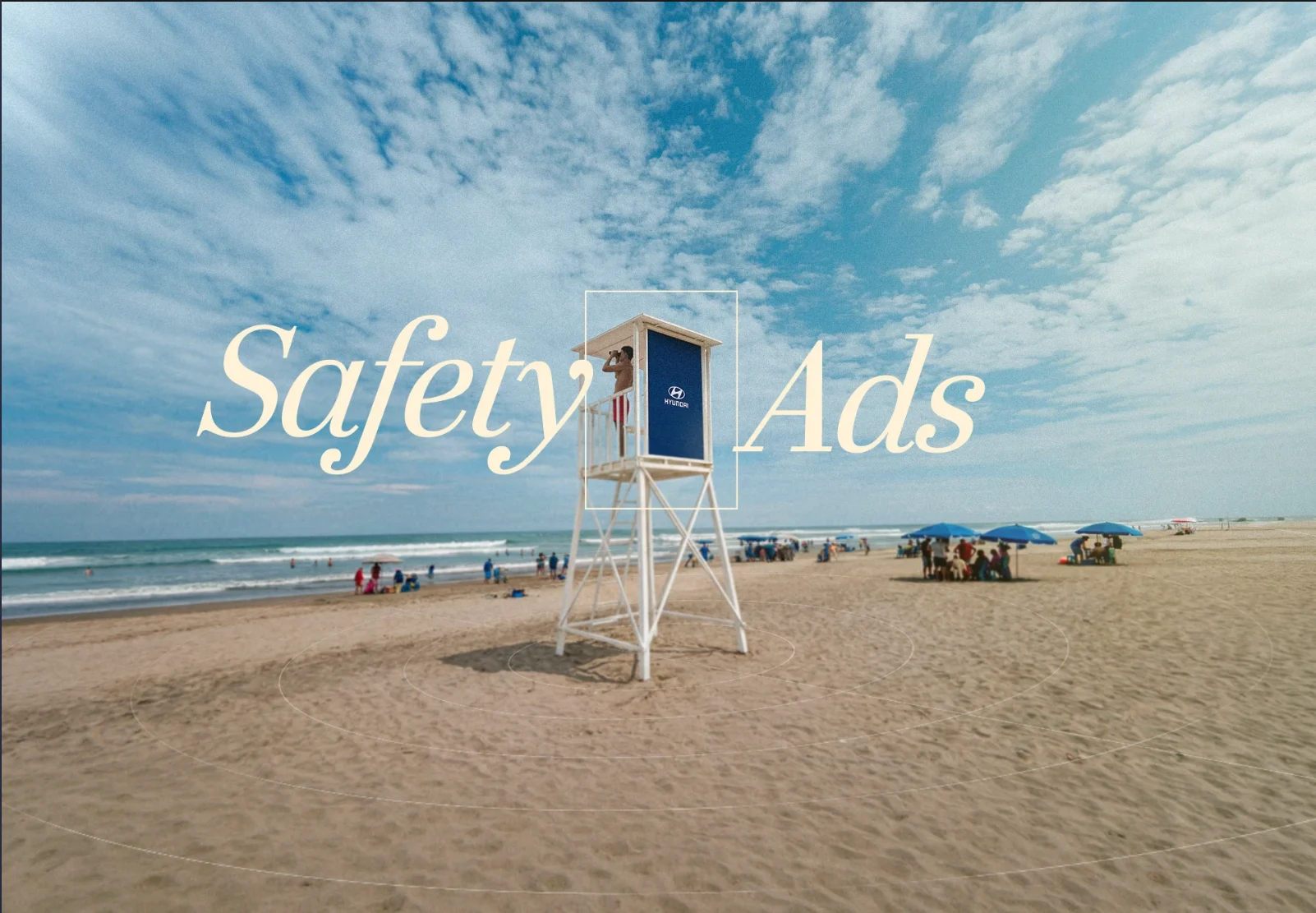
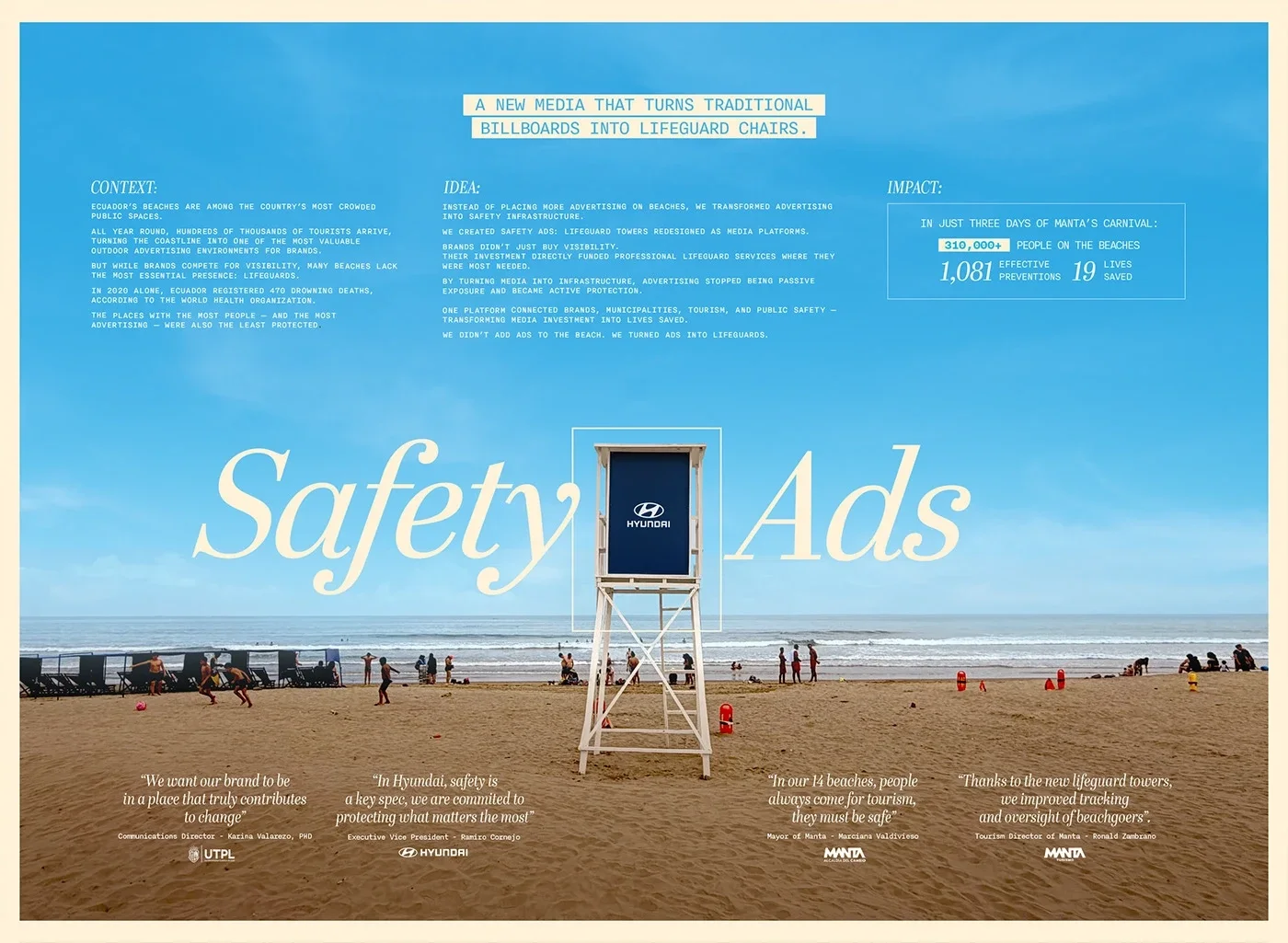
Safety Ads rebuilt lifeguard towers as out-of-home media platforms on Ecuador's busiest beaches. A brand buys the panel; the panel fee pays the professional lifeguard standing on it. Across three days of Manta's Carnival the towers covered beaches carrying more than 310,000 people, and the lifeguards they funded recorded 1,081 preventions and 19 lives saved.
The situation
The most valuable outdoor advertising space in the country was also the least protected
Ecuador's beaches are among its most crowded public spaces. Hundreds of thousands of visitors arrive through the year, which makes the coastline one of the most valuable outdoor advertising environments a brand can buy in the country.
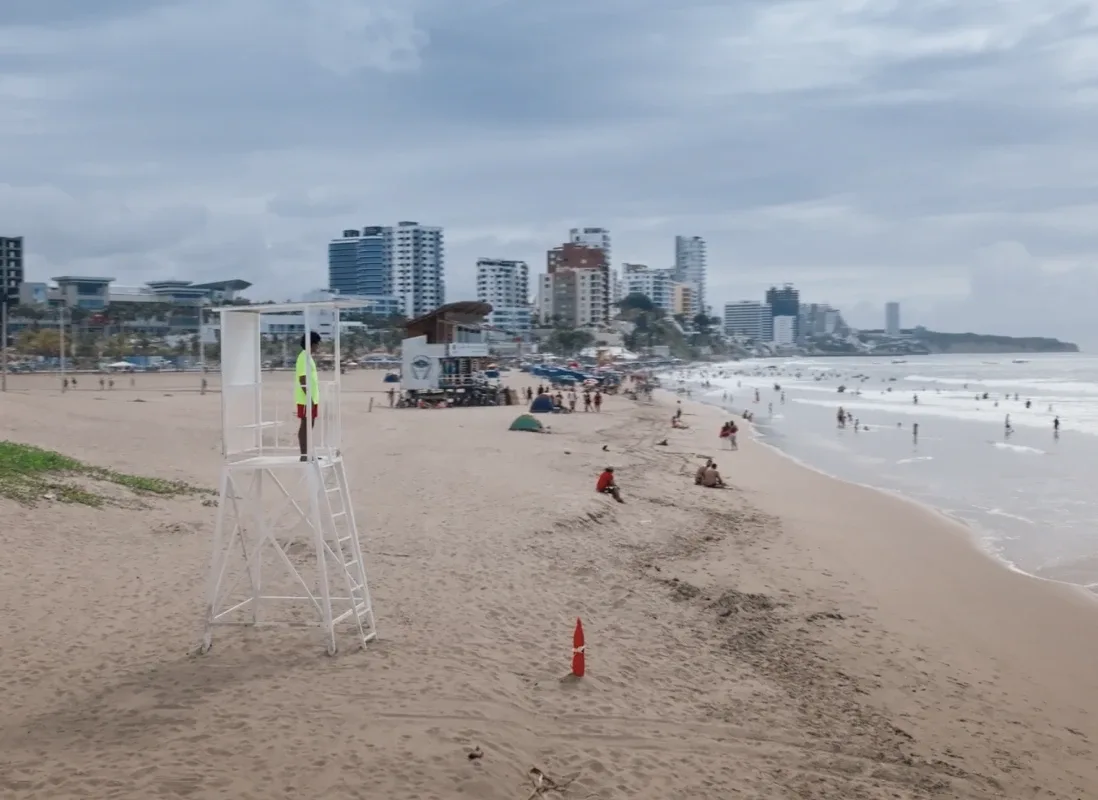
Those same beaches often have no lifeguard. In 2020 alone Ecuador registered 470 drowning deaths, according to the World Health Organization.
Put the two facts beside each other and the problem states itself: the places with the most people — and therefore the most advertising — were the places with the least protection. The media industry was already there. The safety was not.
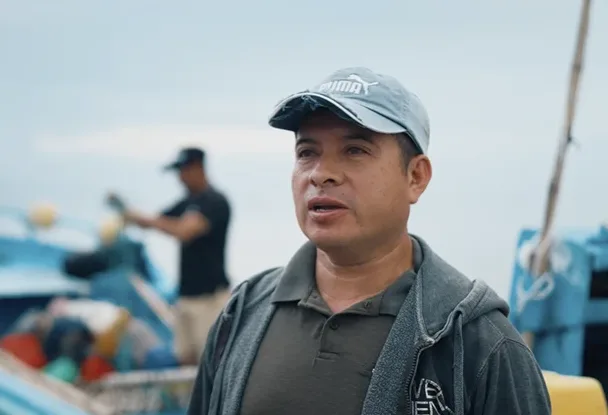
“Working at sea, we’ve had to rescue people who were drowning.”
Henry Dávila · Fisherman

“Without safety on the beach, you look away for just one second and anything can happen.”
María Roca · Tourist
The idea
Don't add advertising to the beach. Turn the advertising into a lifeguard.
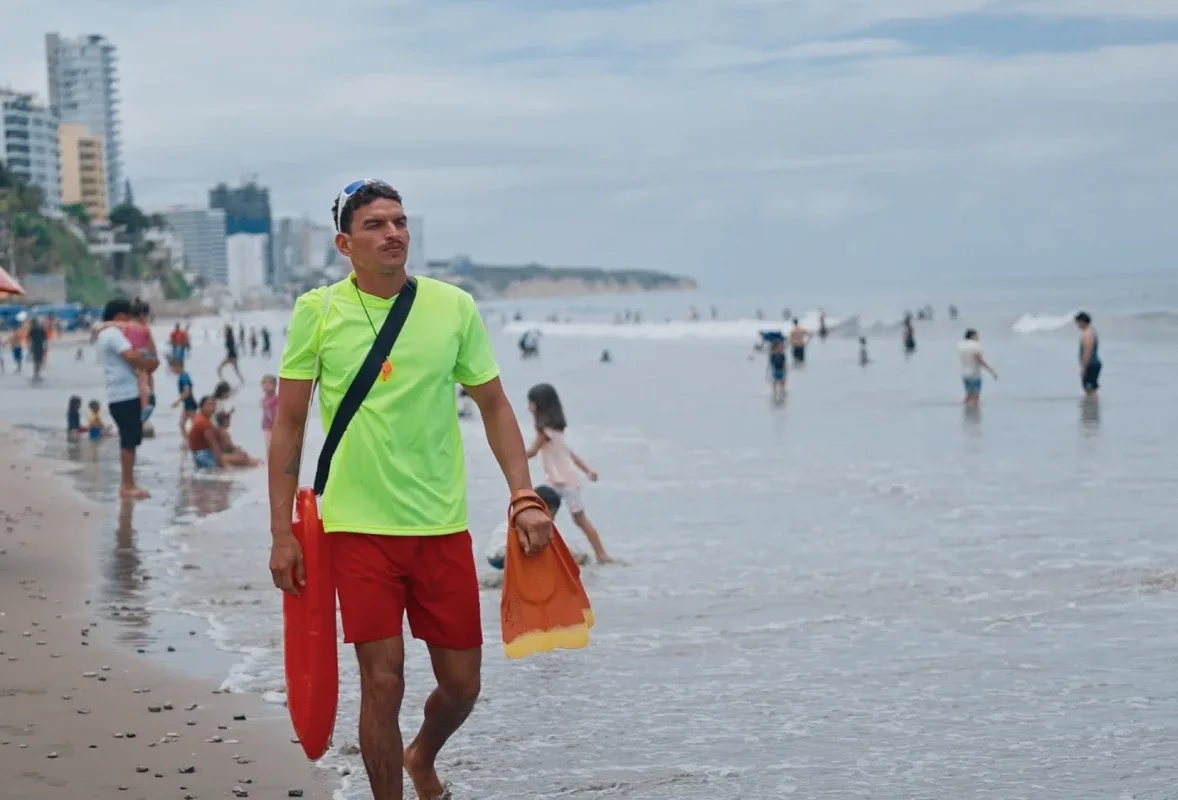
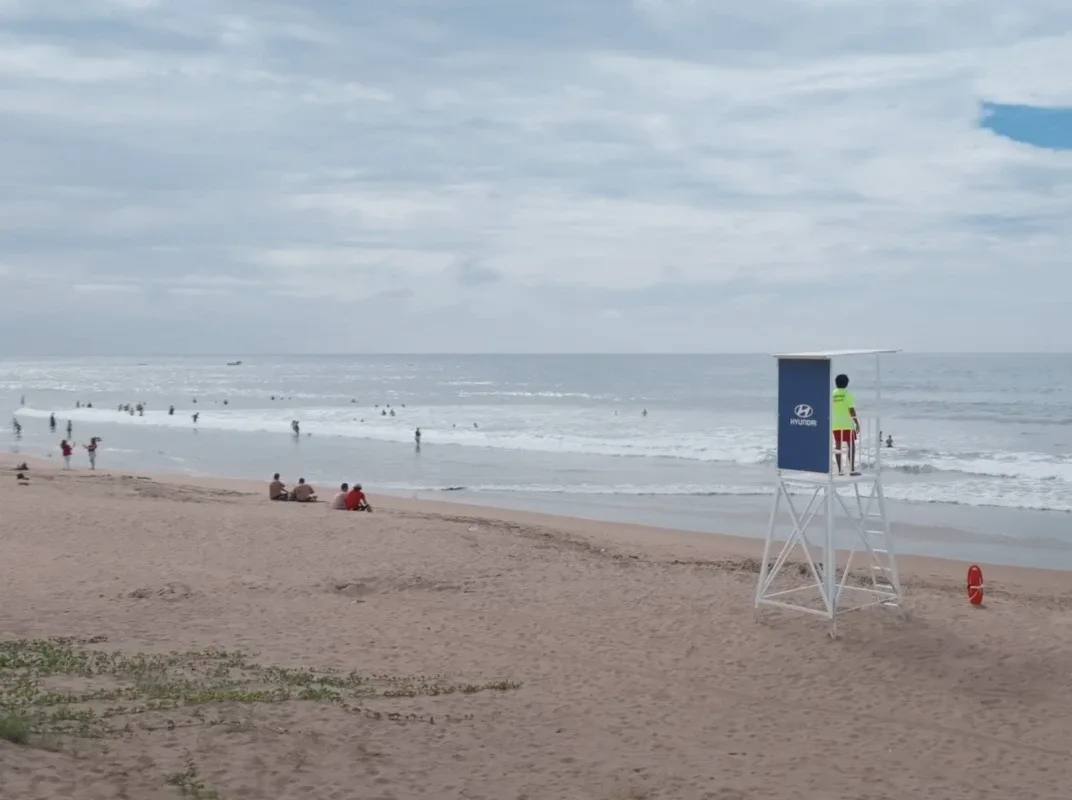
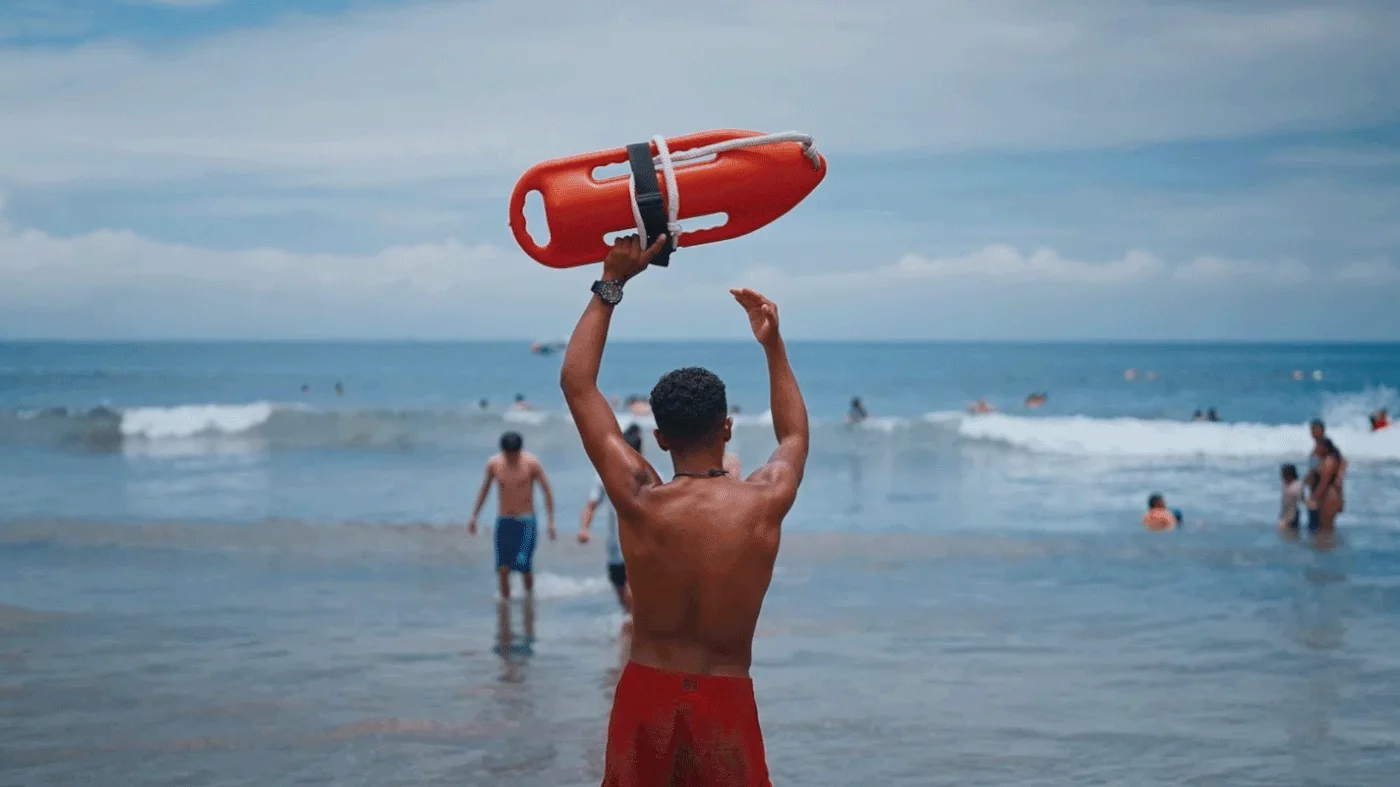
The obvious move was to sell more beach media. We did the opposite and rebuilt the medium itself: lifeguard towers designed as media platforms, with a brand panel on the seaward face and a trained lifeguard on the deck.
The money follows the same line. A brand's placement fee does not fund a message about safety — it funds the professional lifeguard service on that tower. Advertising stops being exposure the crowd walks past and becomes protection standing over it. One platform ended up connecting four parties that rarely share a contract: brands, the municipality, the tourism authority and public safety.

We didn't add ads to the beach. We turned ads into lifeguards.


How the media works
What an advertiser is actually buying
Placement nobody scrolls past
Out-of-home has always sold attention in public space. On a beach the audience is stationary, unhurried and in the open for hours — and the panel is on the one structure everybody keeps an eye on anyway.
The fee is the service
The media rate covers the trained lifeguard staffing the tower. There is no second budget line, no matched-giving programme, and no gap between what the brand pays for and what the public receives.
A municipal partner, not a sponsorship
The city authorises the sites and oversees the service; the tourism authority gets coverage it could not otherwise staff. That is what makes the inventory defensible rather than a stunt on public sand.
Measured on outcomes
The reporting line is not impressions. It is preventions and rescues, logged by the lifeguards the placement funded — a number a brand can stand behind in a way reach never allows.
In market
Two brands, fourteen beaches, and the busiest three days of the year
Hyundai and UTPL took the first panels — an automaker whose product story is built on safety, and a university that wanted its name somewhere it changed the outcome rather than only the impression. The towers went up across Manta's beaches, and the test came at Carnival, when the coast takes its heaviest crowds of the year.
The partners
Why each side signed
“We want our brand to be in a place that truly contributes to change.”
“In Hyundai, safety is a key spec. We are committed to protecting what matters the most.”
“In our 14 beaches, people always come for tourism. They must be safe.”
“Thanks to the new lifeguard towers, we improved tracking and oversight of beachgoers.”
Scorecard
Three days of Carnival
Preventions and rescues recorded by the lifeguard service during Manta's Carnival.
Recognition
Cannes Lions
Shortlist — Media; Corporate Purpose & Social Responsibility
Best Ads on TV
Best Outdoor — Best of the Week
Little Black Book
Work of the Week
What this proves
Three things a media budget can do that a campaign can't
The medium can be the contribution
Brand purpose usually spends the media budget describing a commitment. Rebuild the medium and the budget performs the commitment instead — same money, and the outcome is the deliverable.
Public space rewards the advertiser who improves it
A panel that pays for the lifeguard earns a welcome no bought placement gets. The municipality, the tourism authority and the crowd all have a reason to want the media there.
Outcomes are a better metric than reach
Impressions are an estimate of who might have looked. Preventions and rescues are a count of what happened. Any brand that can be measured the second way should be.
Frequently asked
What is a Safety Ad?
A Safety Ad is a lifeguard tower rebuilt as an out-of-home media platform. A brand buys the panel on the tower, and that media fee pays for the professional lifeguard who staffs it. The advertising placement and the public service are the same object — the brand does not sponsor a message about safety, it funds the safety itself.
How can out-of-home advertising fund public safety?
Crowded public space is valuable to advertisers and often underserved by public budgets — the same crowd that makes a beach worth buying is the crowd that needs protecting. Safety Ads routes the media spend directly into the service: the municipality provides the site and oversight, the brand buys the placement, and the fee covers trained lifeguards on the tower. No separate donation, no matched-giving programme, no campaign about a cause.
What did the Safety Ads campaign achieve?
Across three days of Manta’s Carnival, the towers covered beaches carrying more than 310,000 people. Lifeguards working from them recorded 1,081 effective preventions and 19 lives saved. The work was shortlisted at Cannes Lions in Media and in Corporate Purpose & Social Responsibility.
How is this different from cause marketing or CSR advertising?
Cause marketing spends the media budget on telling people a brand cares. Here the media budget buys the outcome. The measure of the campaign is not recall or sentiment but preventions and lives saved, recorded by the lifeguards the placement paid for.
Can the model work in other markets?
It needs four things: a crowded public space with real advertiser demand, an unmet public-safety need in that same space, a municipal partner who can authorise and oversee the service, and a brand willing to be measured on the outcome rather than impressions. Beaches are the clearest case. Trailheads, transit plazas and event grounds meet the same test.
Out-of-home & paid media
Planning a campaign that has to do more than run
We plan and buy paid media — search, social, display and out-of-home — and build the measurement that tells you what it returned.
Results Disclosure: Results described in this case study are specific to this client engagement and are not guaranteed. Individual results will vary based on budget, industry, competitive landscape, market conditions, execution, and other factors. Past performance does not guarantee future results. Machina makes no representation that any client will achieve similar outcomes.